
Have you ever considered that a life-saving warning might arrive through birds, animals, or even insects before it ever reaches a siren?
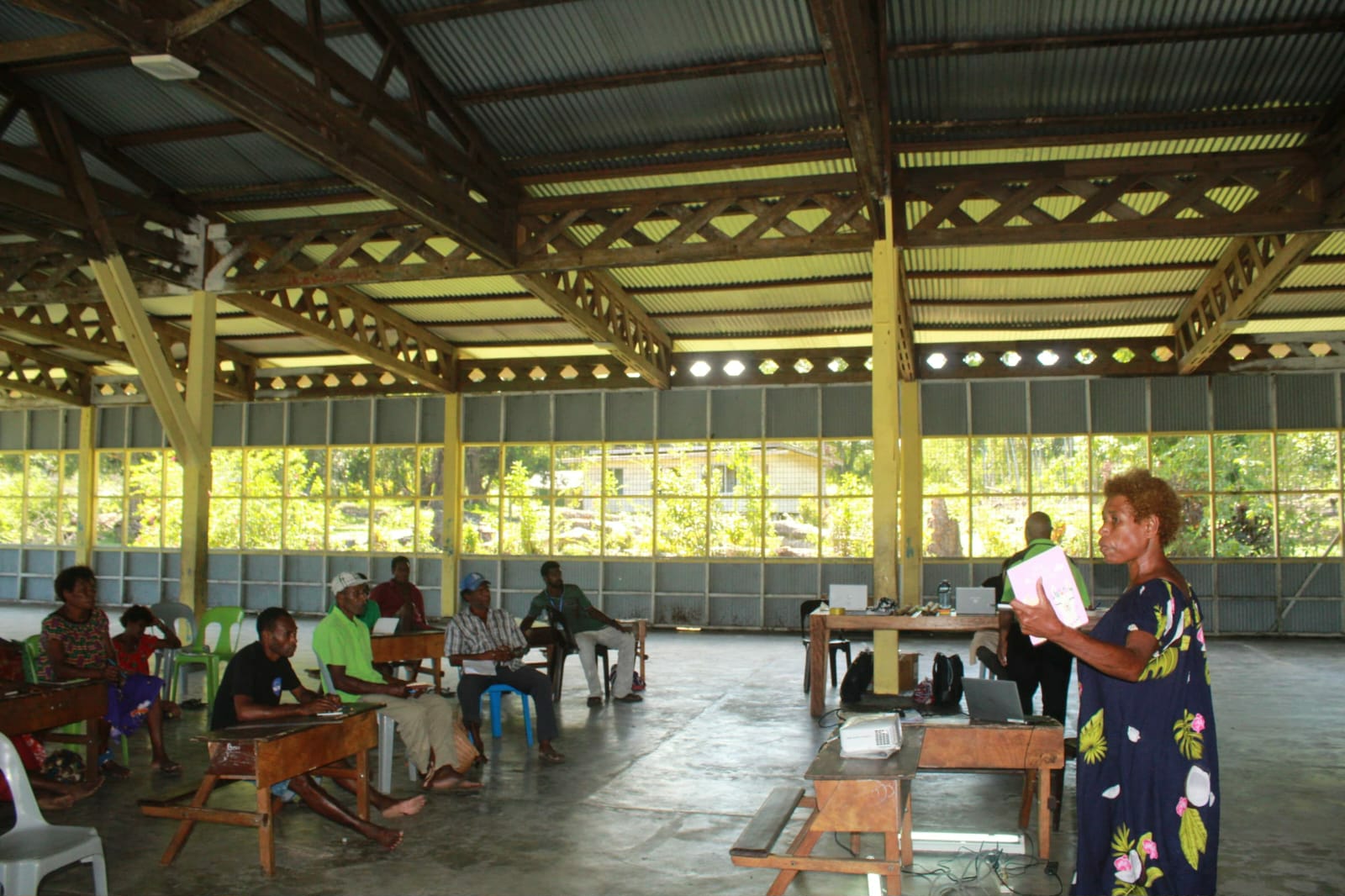
In a recent trip to Papua New Guinea, ADRA’s International Programme Director, Sahara Anae, returned with a profound insight into how traditional knowledge shapes community resilience in Bialla Province, West New Britain.
When asked about a meaningful moment from her visit, Sahara described a conversation with the Elders following the eruption of Mt Ulawun. “They already knew the mountain was going to erupt days before it did,” she shared.
Their certainty came not from technology, but from generations of observing the natural world: birds shifting flight paths, animals behaving unusually, even insects moving differently. Globally, research affirms this phenomenon: studies have documented changes in animal behaviour prior to seismic events (USGS, 2022).
Acting on these signs, the Elders urged families to leave early. So when the official siren sounded only hours before the eruption, very few people remained, allowing local responders to safely manage the evacuation.
This was indigenous wisdom in action.
The experience reaffirmed ADRA’s commitment to integrating Indigenous knowledge into disaster risk reduction, ensuring communities remain authors of their own resilience.
A well-known proverb from Papua New Guinea teaches:
“Knowledge is only powerful when it is shared.”
In Bialla, the land shared its warning and the Elders shared their wisdom. And because the community moved together, lives were protected- just as their ancestors always intended.